Monday morning in the plant, the buzz of machines mixes with the rustle of paper reports. The plant manager frowns at a spreadsheet, aware that the numbers lag behind real-time events. In an industry where every minute counts, relying on manual setups and outdated systems can stifle productivity and inflate costs.
Consequences of Sticking with Manual Systems
Operating with manual systems leads to more than just frustration; it results in tangible financial setbacks. Production lines become prone to unexpected downtime, as issues are identified only after they disrupt the workflow. This lack of timely intervention extends unplanned maintenance breaks, which hit the bottom line hard.
Moreover, decisions based on stale data often lead to inefficient resource allocation and missed production targets. As competitors leverage advanced technologies, those who lag behind face not only operational inefficiencies but also increased competitive pressure.
Finding the Root Cause
Why does this disconnect persist? At its core, it stems from a reliance on legacy systems that can’t adapt to the dynamic needs of modern manufacturing. These systems isolate data, preventing seamless communication across departments and impeding strategic decision-making.
Embracing Flexible Automation
The path to improvement doesn’t start with technology; it begins with recognizing operational constraints. Flexible automation offers a way forward by allowing manufacturers to adapt swiftly to changing demands without significant capital investment.
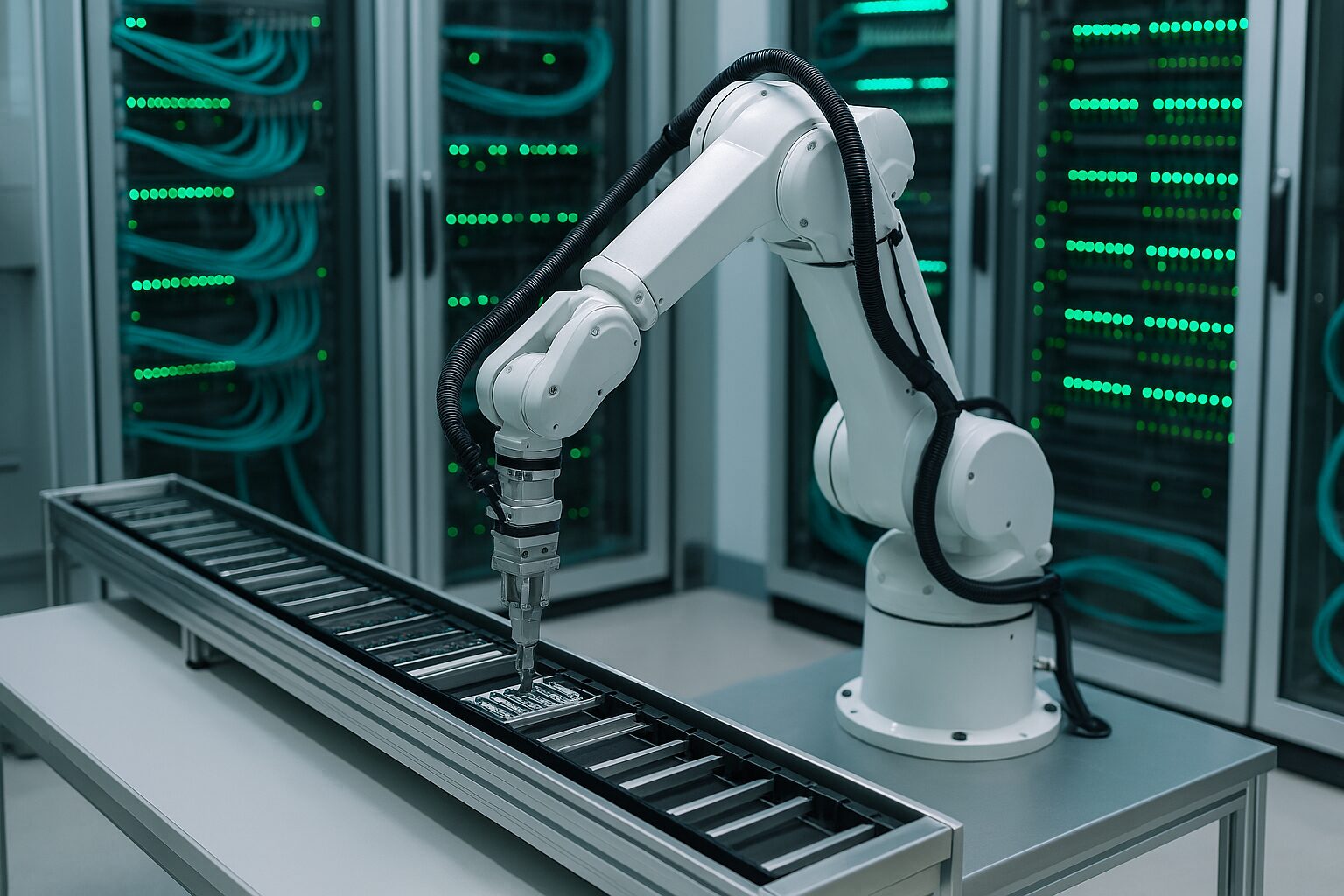
This approach focuses on integrating systems that communicate effectively, providing real-time visibility across the production floor. By implementing automation cells, manufacturers can streamline workflows and reduce the need for constant manual intervention, driving efficiency and cutting costs.
Visualizing Success
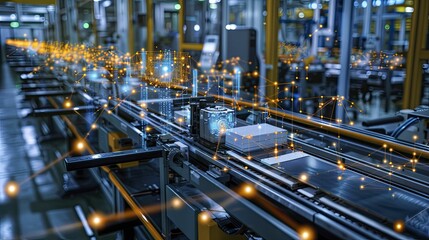
Imagine a manufacturing environment where machines operate in sync, and data flows seamlessly, offering real-time insights. Decisions are made quickly and confidently, based on accurate, up-to-the-minute information. Operations are smooth, with fewer surprises, and maintenance schedules are proactive rather than reactive.
In this scenario, the entire team trusts the data at hand, leading to enhanced collaboration and fewer quality escapes. Notably, these improvements do not demand a Fortune 500 budget but rather a strategic vision and commitment to phased integration.
Fuzzitech’s Take
At Fuzzitech, we understand the unique challenges mid-market manufacturers face in adopting AI and connected operations. Our approach is rooted in understanding your constraints and building tailored solutions that facilitate real change.
If you’re ready to transform your operations and explore how flexible automation can boost your productivity, reach out to us. Visit our contact page to start your journey toward smarter manufacturing.