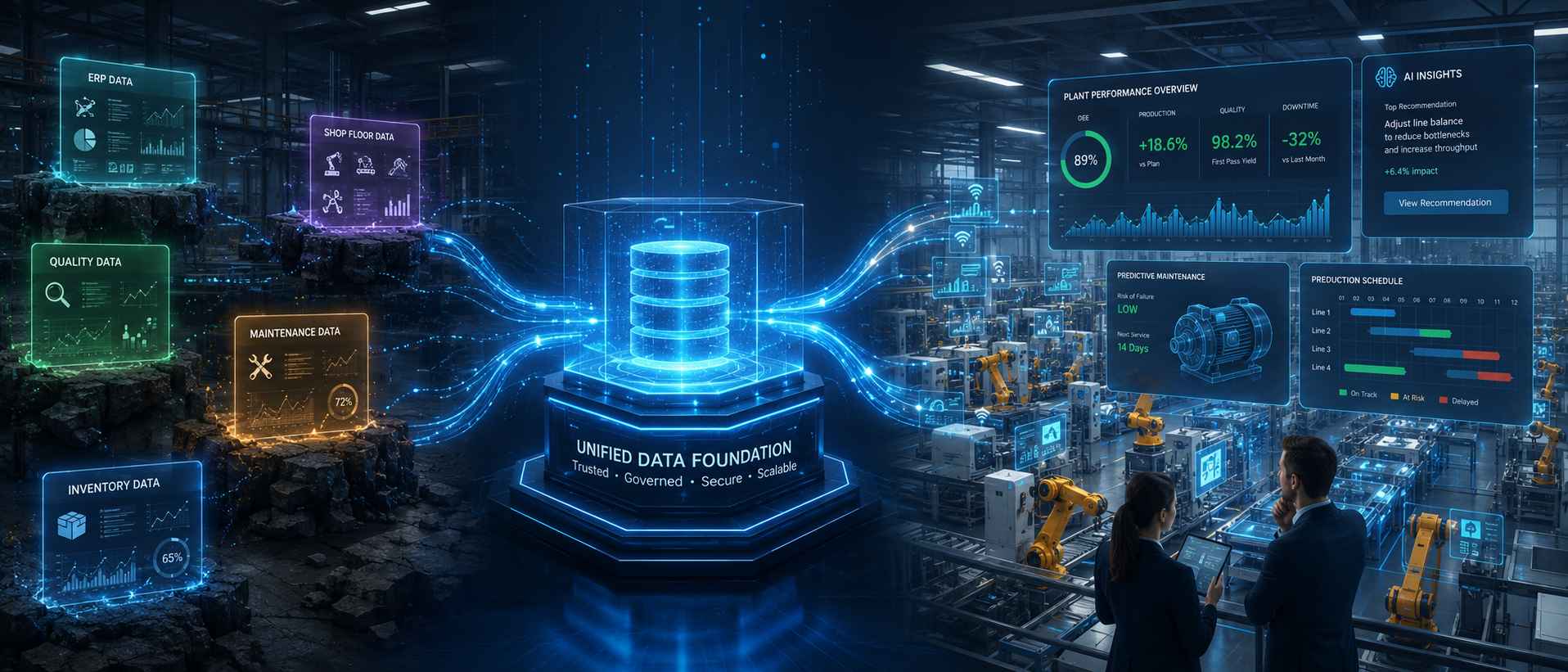
It is Monday morning, and the plant manager stands in the middle of a bustling production floor, surrounded by a myriad of machines, each generating streams of valuable data. Yet, despite the torrents of information available, decisions are still made based on last week’s reports, leaving him feeling like a captain trying to navigate a ship by outdated maps. This common scenario is a stark reminder of a pervasive pain point: the disjointed nature of data systems in many mid-market manufacturing operations.
The Hidden Costs of Data Disconnection
The consequences of data islands, where information exists in silos, extend far beyond mere inconvenience. For starters, productivity takes a significant hit as teams spend countless hours manually compiling reports from disparate systems. This leads to delayed decision-making, as access to real-time data is hindered by the lag in processing and interpreting fragmented information. Moreover, quality escapes become more frequent, as the lack of integrated data systems obscures visibility into production anomalies until it’s too late. Competitive exposure intensifies as rivals harness their data for strategic insights, leaving those with disjointed systems struggling to keep pace.
Unveiling the Core of the Problem
At the heart of this issue lies a fundamental disconnect between operational technology (OT) and information technology (IT) systems. As noted in our discussion on disconnected OT and IT systems, this divide not only stifles productivity but also impacts resilience and growth. The challenge is not the absence of data but the inability to weave it into a coherent narrative that drives operational efficiency.
Charting a Path to Integration
For mid-market manufacturers seeking a way out of this labyrinth, the solution lies in a strategic realignment of their data ecosystem. Fuzzitech advocates beginning with a focus on real-world operational constraints rather than leading with technology for technology’s sake. The first step involves identifying critical processes where integrated data could significantly improve outcomes.
Next, manufacturers should aim to create a unified data platform. This means breaking down silos by adopting solutions that ensure seamless data flow between OT and IT environments. Such integration isn’t about overhauling systems overnight but rather implementing incremental changes that yield tangible benefits. By leveraging tailored data solutions, as detailed in our tailored data solutions, manufacturers can embark on this journey without the daunting budgets of Fortune 500 companies.
Visualizing Success: A New Operational Paradigm
The transformative power of integrated data systems becomes evident once they’re fully implemented. Imagine a manufacturing operation where decisions are informed by up-to-the-minute insights, eliminating guesswork and enabling swift responses to market changes. Fewer surprises on the production floor lead to higher quality outputs and streamlined operations. Trust in data is restored, fostering a culture where teams confidently base their strategies on solid evidence rather than intuition. As highlighted in our article on solving the manufacturing data paradox, the end result is not just operational efficiency but a competitive edge powered by data-driven insights.
Fuzzitech’s Perspective
At Fuzzitech, we firmly believe that the key to unlocking the full potential of manufacturing data lies in strategic integration tailored to specific operational needs. Our approach focuses on empowering mid-market manufacturers to turn data challenges into opportunities for innovation and growth. We invite manufacturers ready to transform their operations to connect with us for a tailored consultation. Start your journey toward seamless data integration by visiting our contact page.