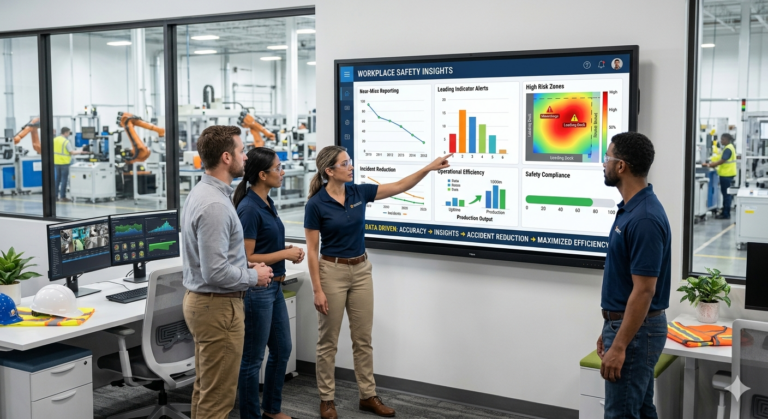
Production stalls are the bane of any plant manager’s existence. One minute everything is running smoothly, and the next, a bottleneck appears, grinding operations to a halt. This unpredictability isn’t just frustrating; it’s costly. With so many moving parts, manufacturers often find themselves in a reactive position, scrambling to identify the root cause.
Consequences of Unforeseen Downtime
When production unexpectedly stops, the ripple effects touch every corner of the business. Firstly, there is the immediate hit to productivity. Each minute of downtime translates directly into missed production targets, impacting overall output. Second, delays in decision-making arise. Without clear visibility into what’s happening on the shop floor, managers rely on guesswork, leading to decisions that may not address the real issues.
Additionally, quality escapes become more frequent. When the focus shifts to getting back online, quality assurance often takes a backseat. This leads to defective products slipping through, affecting customer satisfaction and increasing returns.
Understanding the Core Issue
At the heart of this unpredictability is an overreliance on outdated data systems. Many mid-market manufacturers operate with a patchwork of ERP, MES, and QMS systems that don’t communicate effectively. This results in fragmented data streams that provide outdated insights. Creating a unified version of truth is typically challenging under these conditions.
Solutions Grounded in Real-World Constraints
The journey to operational efficiency begins with leveraging real-time data. This starts with streamlining data collection from the production floor, ensuring that every machine and process feeds information into a centralized system. Instead of waiting for weekly reports, managers receive insights as they unfold, enabling nimble decision-making.
Next, integrating AI capabilities can offer predictive analytics. These tools analyze historical and real-time data to forecast potential disruptions before they occur, allowing preemptive measures to be taken. An AI-ready data foundation is crucial for this transition.
Achieving a Well-Oiled Operation
Once real-time data and AI are fully integrated, manufacturing operations transform. Decisions are made swiftly, based on accurate and current insights. Quality control improves, with fewer defective items reaching customers. Downtime becomes a managed exception rather than a disruptive norm, significantly boosting productivity and reducing stress across the team.
The Fuzzitech Perspective
At Fuzzitech, we understand that mid-market manufacturers operate under unique constraints. Our solutions are designed to enhance operational efficiency without requiring a Fortune 500 budget. By focusing on real-world constraints, we offer practical paths to improvement. Ready to take the first step towards streamlined operations? Visit our contact page to learn more.